Crowd Marketing: 2 Core Goals, 5 Platform Types, 5 Approaches to Use
Crowd marketing in 2026 is not comment spam — it's brand mentions inside live discussions that both search engines and AI answers cite. We break down 2 core goals, 5 platform types and 5 working approaches on real cases.


I will look at your site and answer your questions on the topic of this article. 30 minutes, no slide decks, no pressure.
Book a consultationCrowd marketing is the "seeding" of useful brand mentions into live discussions: on forums, in communities, in comments under videos, and in answers to questions. In 2026 it gained a new and very weighty function: these third-party mentions increasingly become the source cited not only by people but also by AI answers in Google AI Overviews, ChatGPT Search, and Perplexity. According to 2026 industry research, around 48% of citation links in AI answers come from community platforms like Reddit and YouTube, and up to 85% of brand mentions live on third-party pages rather than on your own site. Below: how crowd works today, on which platforms, in which 5 approaches, and on which real cases.
The format appeared when search engines and social networks began fighting purchased links and templated comments. Crowd marketing (from "crowd" + "marketing") is a form of guerrilla marketing: interacting with the target audience on forums, in social networks, in communities, and on blogs. How it differs from outdated spam advertising and how to use it alongside other tactics — that's what this article is about.
The importance of word-of-mouth influence has long been proven. The classic Nielsen study showed that when choosing a new product, consumers trust recommendations from acquaintances and independent online reviews most of all — more than direct advertising.
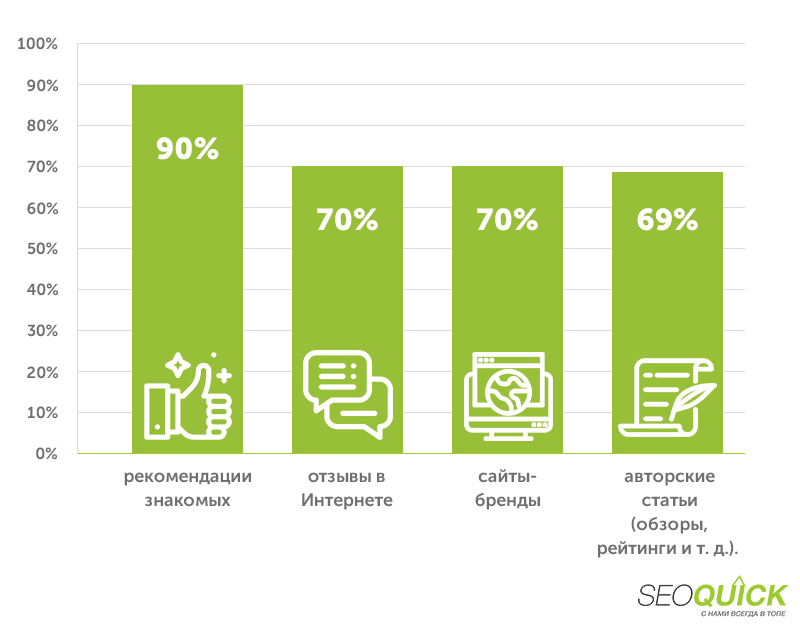
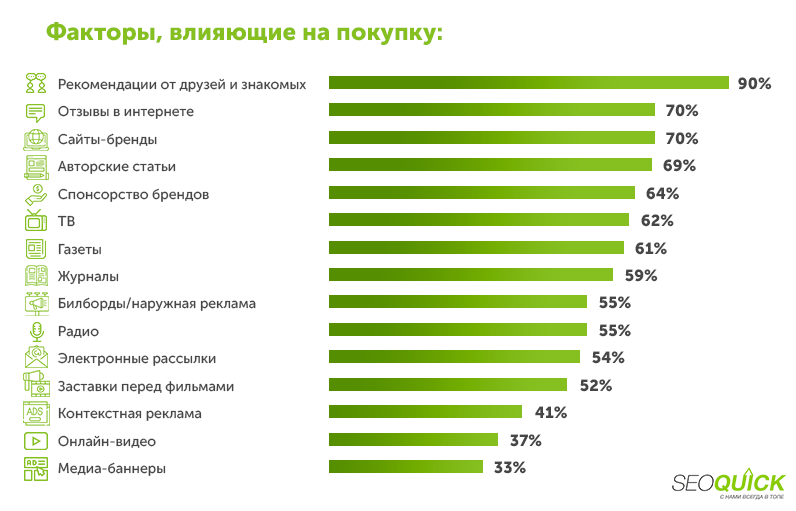
Despite the abundance of paid reviews, people still tend to listen to outside opinions when making purchases. And that's exactly why, in 2026, the same signal is read by algorithms too: AI search engines reward consensus — when different authoritative sources mention a brand consistently and independently.
You can't see it yet, but it's there! Find out how SEOquick gives you traffic
We'll smartly set up Google AdWords context with heavy traffic and a high return on investment.
We'll precisely pick the type of advertising relevant to your business that brings profit.
Our targeting always hits the mark!
The past and present of crowd marketing
The direction appeared naturally — when search engines began penalizing the "blasting" of standardized messages across forums. In response, instead of templates, communication techniques oriented toward people were developed.
The main tools of crowd promotion are useful comments and mini-posts on niche platforms, for example:
- expert advice;
- detailed answers to questions;
- detailed review-stories;
- posts that address negative feedback.
The content may contain a link or a brand mention, but the main thing is that it must have value for an ordinary person. Today both specialized services and freelancers do this, mentioning you in discussions one-off or regularly.
The fundamental difference of 2026: crowd is no longer just a "link" tactic. It is now a way to create those very third-party mentions that AI assistants rely on when forming an answer about your category. For more on preparing content for AI answers, see our material on AI tools and content.
If you want traffic and sales thanks to proper crowd marketing — fill in the form below.
Platforms for crowd marketing: types and ways to use them
There are classic platforms suitable for any crowd strategy, and new venues that are especially important in 2026. According to industry data, communities and video platforms now provide almost half of the citations in AI answers — so the set of venues is worth revisiting.
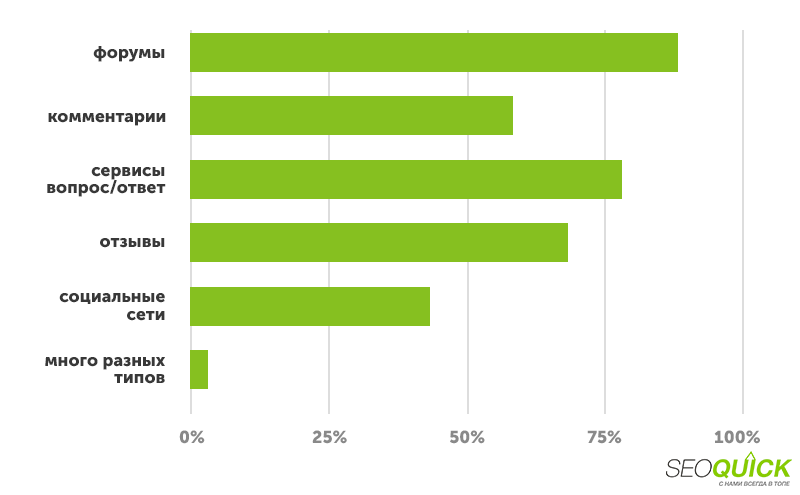
Historically forums were at the peak, followed by Q&A sites and review sites. Since then the role of niche communities and video has grown sharply, but the classics still matter. Let's go over the universal venues.
Niche forums and communities
The classic and most popular field for crowd marketers. By taking part in active, tightly themed dialogues, you can gently warm up a loyal audience and bring them to the site. In 2026 this also includes Reddit, Discord servers, and closed niche chats — increasingly "read" by AI systems too.
Social networks
Narrowly targeted groups on Facebook or LinkedIn are a flexible alternative to forums. There you can run polls and networking, while parsing tools simplify finding the right communities. Direct links from social networks usually don't affect a site's link mass — but they do affect awareness and branded search.
Q&A sites
Such resources also have their advantages for business.
- you can state your expertise and gain an expert image;
- the bonus for useful detailed answers is votes and loyal followers;
- search options help find useful questions and subscribe to relevant topics.
A page of a popular Q&A service with question-search options:
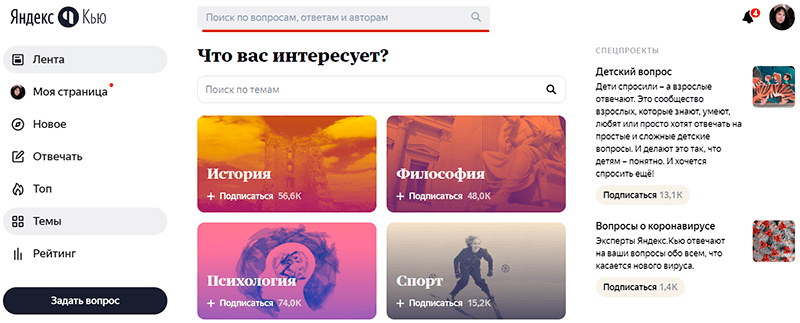
Just keep 2 points in mind:
- some portals hide links in answers;
- the audience needs genuinely sincere answers with examples and instructions.
On such sites only a minimal hint of advertising is acceptable.
Review sites, directories, marketplaces
Global aggregators — Google Merchant Center, industry marketplaces, and local directories — give a search advantage: products added there often land on the first pages. Adding your company to niche directories provides extra opportunities:
- attract additional traffic;
- diversify the link profile;
- get reviews for quality products.
Choose quality, well-visited resources and individually design the organization card for each site. Don't use the old technology of blasting templated listings across directories.
Blogs, online magazines, and YouTube
Comments and mentions from opinion leaders and under videos improve brand awareness. Links from comments usually don't affect the link profile directly, but a comment under a popular video today is a full-fledged signal that gets indexed and falls within the view of AI systems. For how to build presence on the video platform systematically, see the guide to YouTube promotion.
Recommended reading:
Goals and directions of crowd marketing
Crowd marketing has 2 core goals: it solves marketing tasks and site promotion. How exactly, and what role the platforms play — in this chapter.
Marketing goals to focus on when building a crowd strategy:
- informing people on the first rungs of Hunt's awareness ladder about a new product/idea;
- increasing brand/product awareness;
- creating positive associations with the brand name / product name;
- managing brand reputation (in particular, addressing negative reviews);
- warming up the target audience;
- differentiating from competitors;
- attracting relevant users to the right venue (to the site, to a group).
And the SEO goals solved along the way:
- obtaining natural links from popular pages;
- consistently improving the site's link profile;
- getting relevant traffic;
- improving the site's behavioral metrics;
- indirectly promoting information about your business into the TOP (a forum thread mentioning you with a target keyword may well land on the first page of results);
- getting the brand into AI answers through independent third-party mentions — a new but increasingly important goal.
For more on the link between mentions and organic traffic, see the material on search engine promotion.
A bit of history. By mid-2010s industry statistics, about 80% of companies created crowd strategies to diversify link mass, and about 35% to build reputation. In 2026 priorities have shifted toward reputation and awareness.
On topic: Promoting a site with permanent links
Depending on which goal is primary, let's list the directions of crowd marketing.
1) Classic crowd marketing
This is an advertising field that emerged more than ten years ago. Its original goal is communicating with the audience and building reputation. The additional task is obtaining relevant backlinks.
For communication, forums and communities are mainly used. The main tool is a detailed expert comment.
Case. Using the classic technique — participating in topical discussions — an agency increased forum traffic to a site of physical goods (hygiene products). Conversion grew along with it: people arrived already "warmed up" by a useful answer rather than a banner.
To find relevant threads, use the free blog and directory search utility.
2) "In the competitors' footsteps" crowd marketing
One of the early high-profile examples was a public argument between two fintech brands right inside a social-network discussion, where an ordinary user asked for advice on choosing a card. Thanks to the live debate, both companies got a powerful spike in awareness. A dialogue between competitors can also be more peaceful and well-argued.
One task of "in the footsteps" crowd marketing is obtaining links and mentions on pages that already link to your competitors.
How to implement
- Connect services for tracking discussions: Google Alerts for notifications, tools like Talkwalker for monitoring social networks, and Mention for tracking mentions and news.
- Find threads with mentions of your competitors.
- Write natively about your competitive advantages. Don't break platform rules and don't engage in black PR — better to highlight your strengths rather than others' weaknesses.
3) Crowd marketing to get links from top sites
The main goal of such crowd links is SEO promotion, since links from top resources noticeably improve the link profile. Along the way it solves brand awareness on well-known venues.
How to implement
- Create a document listing TOP-100 sites for the needed phrases. SERP-analysis services like Ahrefs and our utility for quick keyword collection will simplify the task.
- From this output, choose forums and communities where you can leave comments with links.
- Take part in the conversation — answer other participants' questions, adding a link where it's truly appropriate.
Case. Using this strategy, an official dealer's site for a digital product was pushed into the top: a series of expert answers on niche forums delivered both links and steady targeted traffic.
4) Symbiosis of crowd marketing and content marketing
This is using crowd strategies to distribute the brand's expert materials.
Ideal venues for seeding are popular forums, Q&A sites, and topical groups on social networks.
How to implement. Deliberately look for questions whose answers are already covered in detail on your blog, and invite interested readers from topical communities. In 2026 this technique works great paired with video: a frequent question can be answered with a short clip and anchored with a link.
A guide to working with the English-language Q&A service Quora.
A utility for finding other resources.
5) "Reputational" crowd marketing
Its essence is creating reputation (positive reviews) about a company or product. Recall: people massively look up opinions about new products online, and positive reviews are needed at different stages:
- when you are just entering the market;
- when launching an entirely new product;
- when moving your business online;
- when you are successful but competitors try to spoil your image.
To create an "aura of success" around a brand, blasting reviews across directories is not enough. Venues for self-presentation are topical directories and review sites (for example, global services like Trustpilot and G2). The best tool is an honest, believable customer review.
How to implement
- Find useful directories using our special utility.
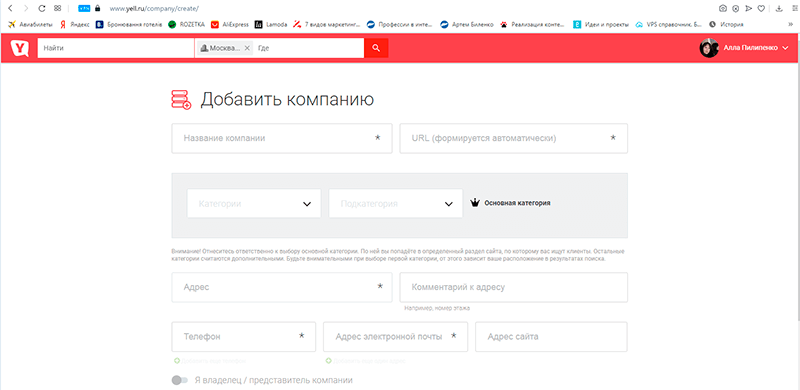
- Create company cards on review sites and directories.
Prepare a description that is as clear and catchy as possible for your audience, plus a link to the site/landing page of the new product.
- Ask for reviews from employees, those who received a demo or sample, and long-time customers.
In exchange for a real review, offer a discount or bonus on future purchases.
Case. One online store of car accessories began promotion specifically with work on reputation and reviews — and only then connected link tactics. This earned audience trust even before scaling traffic.
Crowd isn't for everyone: when the technology is INEFFECTIVE
Is crowd marketing always flawless? No. Let's look at cases where the listed strategies don't bring the desired effect.
Invitations to network marketing
Topical "make money online" groups are overflowing with same-type topics and comments. Supply far exceeds demand: one applicant gets too many identical responses, and the crowd strategy drowns in the noise.
Advertising everyday consumer goods
Advertising services for emergencies
For example, calling a tow truck or emergency door opening.
Advertising a small "around-the-corner" store
In these cases people rarely look for information on forums — a crowd strategy isn't justified.
Advertising an exclusive product for a narrow circle
For example, display cases for jewelry collectors. It's also hard to deploy a conversation strategy: few people ask questions about the product or its analogs.
The product has no quality web presence
Before launching a crowd strategy, it's important to check that the site is conveniently designed and that all order-placement options work.
The law prohibits advertising the product or the product itself
Stages of a thoughtful crowd marketing strategy
What's important to think through before going onto forums and into communities, and how to make the strategy systematic — step by step.
Building the audience persona
Before developing the strategy, it's important to spell out the key features of the target user:
- age;
- education, erudition;
- income;
- career / social status.
- interests;
- which rung of Hunt's ladder they are on (what they know about the product and how ready they are to buy).
Interests and problems matter especially — they are taken into account when choosing platforms and creating content. For different audiences, create several personas.
Audit of mentions about your brand/products
This stage shows what to work on first — image or mention frequency. You can build a reputation picture two ways.
- Manually check what information about you reaches buyers: enter your company name into a search engine together with words like "reviews," "review," and similar. Note what's written about you on review sites and third-party blogs.
- Start tracking brand mentions with Google Alerts and media-monitoring tools. In parallel you can track competitor mentions.
If the brand isn't talked about, or is talked about negatively — improve reputation: ask employees and customers for honest reviews, publish image materials. If positive reviews prevail — work on mention frequency and warming up the audience.
Choosing platforms
For reputational crowd, review sites and opinion-leader blogs work. Classic venues for trust and "in the footsteps" marketing are forums and communities. To show expertise and invite an audience to your personal blog — Q&A sites, narrow social groups, and expert threads.
Search operators help find venues:
- key phrase inurl:viewtopic (searching topics);
- key phrase inurl:forum (searching topical forums);
- key phrase inurl:blog (searching blogs).
To search a specific site, use: key phrase site:site URL. To find venues similar to a given one: related:site URL.
Sort results by four criteria: target audience (topic relevant to the product), activity (date of the last post/article), regionality (important for local targeting), and site position in search (important when building link mass). An additional criterion is how competitors are mentioned on the venue: a drop in trust toward them is a reason to natively make yourself known.
Choosing a work mode for each venue
It's convenient to tie the work mode to your blog and social publication schedule — so you share news on all venues on time.
Creating content
Quality personalized content is the main thing that distinguishes crowd from spam. On forums and Q&A resources every answer or review must be substantive and as useful as possible for that specific site's audience. The 2026 rule of thumb: 80% of activity is pure value with no advertising, and only 20% is a product mention — and only when it's an honest answer to the question asked.
More on content requirements on the English-language Q&A portal Quora.
Tips on the systematic use of crowd marketing
Can crowd be outsourced? Where is the golden mean between "I do everything myself" and "let others talk for me"? Let's look at 3 options.
Take responsibility for the crowd strategy yourself
And involve only competent, trusted employees. Pro: you'll describe your business or product as objectively as possible — no one will do it better than you. Con: it will take a lot of time and energy needed for other tasks.
Order link-building services
Specialized agencies will do most of the work: venue search, registration, native communication, replacing removed links. Pro: minimum time on your side. Pitfalls: first you need to fill out a brief in detail, give exhaustive information about the business, and then periodically monitor the result.
Entrust part of the work to freelancers
Pro: you can hand off only part of the work and save on a full service package. Pitfalls: it's important to be sure of the specialist's competence.
The ideal option
For crowd to bear fruit, it's usually useful to combine all 3 approaches: reputation monitoring, strategy, and venue search — outsourced; partnership with bloggers — handled yourself or via a PR manager; review distribution — through freelancers and past clients.
How to track the effectiveness of crowd marketing techniques
The basic indicators: link mass, search promotion, and reputation change. In 2026 branded search (growth of branded queries) and visibility in AI answers were added. How to track each — below.
Link profile analysis
- Checking the link profile is helped by Majestic and similar services.
- You can compare traffic via direct links from different sites in Google Analytics — be sure to use UTM tags to see which venue brings people.
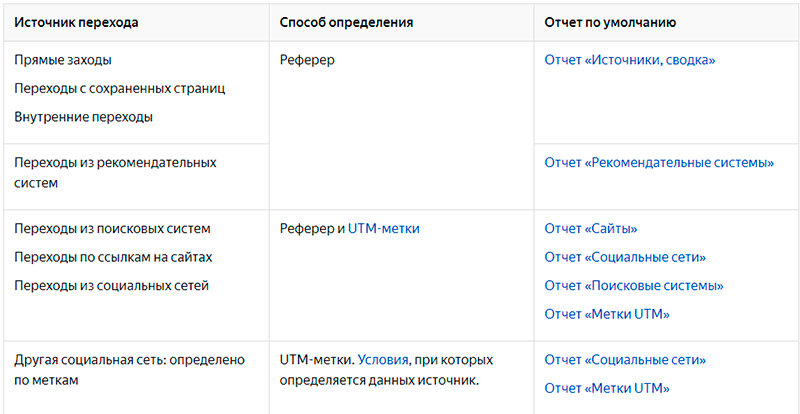
Referral sources are also visible in traffic-source reports and in Google Search Console.
Promotion in search and AI answers
- Check the growth of search positions some time after placing mentions. In parallel, track whether the brand has started appearing in AI Overviews and AI-assistant answers for your category — this is a new but increasingly important indicator.
Measuring reputation and interest in the brand
- The tone of mentions (the ratio of positive to negative reviews) is tracked by media-monitoring services — a rise in positive mentions improves the reputation backdrop.
- Changes in interest in the brand are convenient to track via Google Trends: reports show how often people enter your company name, and you compare data before and after rolling out crowd strategies.
- Additional insight into image is provided by independent ratings and topical audience surveys.
FAQ: common questions about crowd marketing in 2026
How does crowd marketing differ from comment spam?
Spam is a templated message with a link and no value. Crowd is a substantive answer where the brand mention is appropriate and honest. The rule: 80% of activity without advertising, 20% a product mention only where it's the best answer.
Does crowd marketing affect AI search?
Yes. AI assistants build answers from third-party sources and reward consensus — when different authoritative venues mention a brand independently. By 2026 data, almost half of citations in AI answers come from communities and video platforms.
Do crowd links give an SEO effect?
Some links carry the nofollow attribute and don't pass "weight" directly, but they give referral traffic and brand mentions, and links from top forums improve the link profile.
What are the risks of crowd marketing?
The main risk is fake activity. High-profile incidents with mass fake comments showed that platforms and algorithms are learning to detect manipulation, and the hit to reputation outweighs any gain. Work only natively.
How do you measure the result of a crowd campaign?
Look at referral traffic with UTM tags, growth of branded queries, the dynamics of mentions and tone, search positions, and the brand's appearance in AI answers. Many effects are "assisted" — evaluate them together.
Which businesses is crowd NOT suited for?
Everyday consumer goods, emergency services (tow truck, door opening), "around-the-corner" stores, very narrow exclusive products, and projects without a quality site. In these cases people simply don't discuss the topic on forums.
Conclusion
So, the main components of fruitful crowd marketing are as follows.
| Well-visited topical platforms | Useful, non-spammy content | Systematic work with new and old platforms |
| Examples: forums and communities; social media groups; Q&A sites; blogs and YouTube; directories; review sites. | Examples: a comment; a detailed review; answers to individual questions. | Examples: independent work searching for forums and blogs; full-service link building; one-off comments and reviews by freelancers. |
On topic:
What is a digital agency: 3 types and 5 core areas of work
Types of internet marketing companies and the scope of digital agencies. What methods and tools they use to deliver results.
Read →
Crowd marketing in 2026: earn trust, questions, and leads without spam
What crowd marketing is in 2026: platforms, rules, metrics, and impact on AI search. How to do it naturally and avoid Google's filters.
Read →
Search Everywhere Optimization: Ranking on TikTok, YouTube, Reddit and AI Search
Your customer does not only search on Google: 49% of consumers search on TikTok, Reddit pulls 842M organic clicks a month, and YouTube is the source of roughly one in four AI Overview citations. Here is how a business owner picks 2–3 platforms without burning the budget.
Read →Want to apply this to your site?
We will review the current situation, find the first growth levers, and suggest a practical working format.