Dropshipping: What Is It, How to Start, and How Much Can You Earn?
Want to learn everything about dropshipping? A fast start with no investment and a steady income. How to find reliable suppliers and where to sell? Tips on promotion and advertising. Hacks for direct trading on marketplaces and social media.


I will look at your site and answer your questions on the topic of this article. 30 minutes, no slide decks, no pressure.
Book a consultationDropshipping is a retail model where you sell a product but never keep it in your own warehouse. The customer places an order with you, and the supplier ships the parcel directly to the customer. You earn the difference between the supplier's price and your retail price. You can start on a minimal budget, a realistic net margin for a beginner is around 15–20%, and the first steady profit usually appears after a few months of testing rather than on day one.
It is, perhaps, the most easily implemented business model in e-commerce.
You don't have your own product, warehouse, employees, or an inheritance from a rich uncle? No problem — you can trade via dropshipping without any of that, and quite profitably too.
The model is so simple that it doesn't require a university degree. But "simple" doesn't mean "guaranteed profit": by various estimates, only a few percent of dropshippers earn consistently, while the rest drop out at the testing stage. Below we'll break down how to end up among those who make it work.
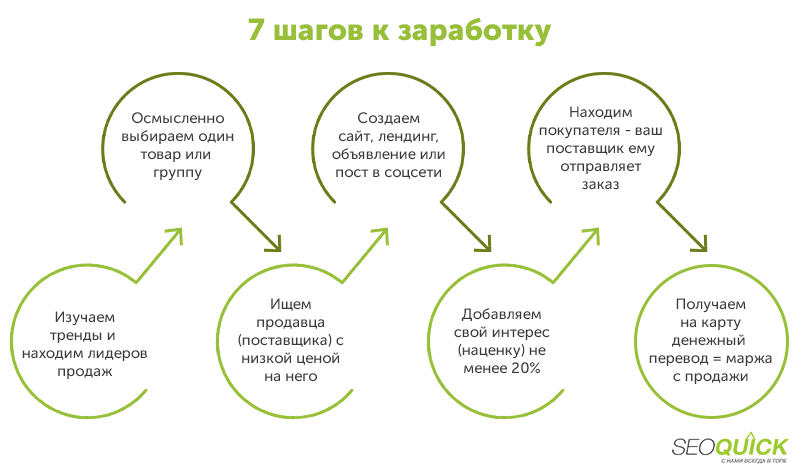
What dropshipping is in simple terms
The logic of dropshipping is extremely simple.
You find a popular product that sells well. Something in demand and easy to understand — smartphone accessories, home goods, gadgets, pet products. Then you scan the market for suppliers with a low wholesale price on that product and arrange a partnership.
This approach (product and supplier first, then sales) is more reliable than first collecting orders for a "virtual" product and then scrambling to find someone to source it from.
Next, you choose the platform where you'll offer "your" product and set your markup — the difference between the wholesale and retail price. Here it's important to balance the desire to earn more against the risk of selling nothing at all: competition is always a factor.
An example from practice. An acquaintance sells Christmas string lights through OLX every season, adding a modest +30% markup for small wholesale orders and +50% for single-item orders. Orders keep pouring in, and he has already built a base of repeat customers. Not bad, right?
In certain seasons and on hyped novelties, resourceful sellers add 200–300% on top. But you shouldn't count on numbers like that as the norm — that's the exception rather than the rule.
Sometimes a dropshipper simply acts as a link between seller and buyer: finding a good deal on one platform and reselling it for more on another, earning a margin for the intermediary work without leaving the desk.
What's stopping you from learning the details of "selling without a product" and giving it a try? Below we'll discuss the pros and cons of the available platforms and the genuinely effective ways to promote them.
Where are all the clients? Where the traffic is. Want SEOquick to bring it to you?
Contextual advertising is a fast way to get clients to your site here and now.
Let us set up a Google Ads campaign for you, tailored to your business.
And you'll pay only for the impressions and clicks that bring your target audience to the site.
The dropshipping market in 2026: figures and trends
Dropshipping isn't yesterday's news — it's a growing segment of global retail. According to analysts (Grand View Research, IMARC, Straits Research), the global dropshipping market was worth roughly USD 400–470 billion in 2025, with an estimated compound annual growth rate (CAGR) of about 20% over the coming years. In other words, the niche is expanding, and there's room for new stores.
The key trends of 2025–2026 that a beginner should keep in mind:
- Social commerce and video. Buying straight from the feed — TikTok Shop, Instagram, YouTube — has become a powerful channel for impulse sales. A short video often sells a product better than the most detailed text.
- AI in the routine. Artificial intelligence already helps dropshippers: it analyzes trends and competitor ads, generates product descriptions and video creatives, and answers common customer questions. This saves hours of manual work.
- A bet on shipping speed and brand. The 2026 buyer isn't willing to wait a month for a parcel. The winners are those who work with suppliers that have warehouses closer to the customer (including local Ukrainian ones) and present their store as a full-fledged brand rather than a faceless storefront.
- Print on Demand. Print-on-demand (T-shirts, mugs, cases with your design) lets you sell personalized products with no inventory purchase at all.
- Data over hype. Smart sellers chase one-off viral novelties less and less, and increasingly pick products with stable demand, repeat-purchase potential, and a clear audience.
What you need for a fast start
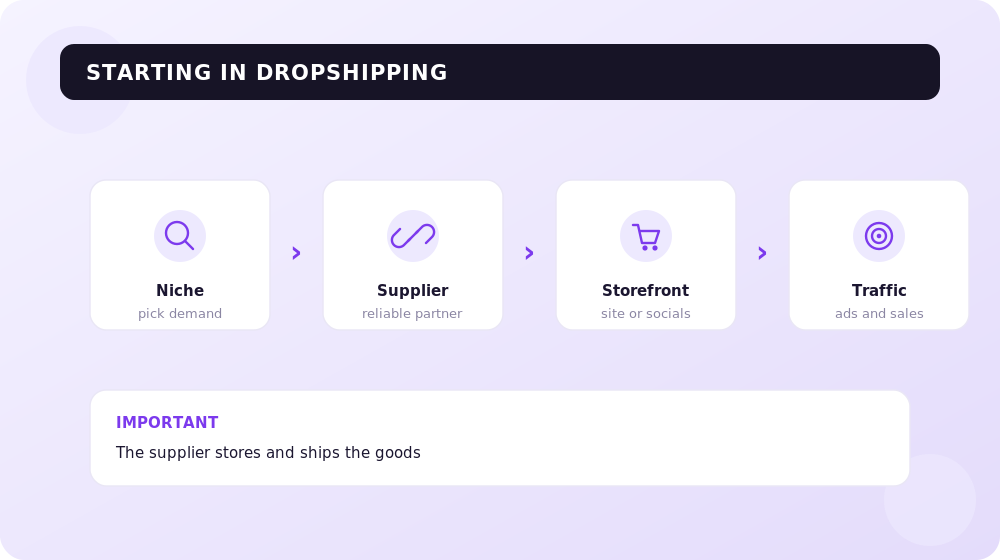
How much will the launch really cost? Where do you find reliable suppliers? Here's a step-by-step logic, with a warning about the "pitfalls" right away.
One experienced seller, asked how he started, answered: "I had a smartphone with internet, a calculator, a notepad, and a pen. There was no money as such." Today his online store brings in a steady income, but the bulk of his catalog is still the same dropshipping. Because the "find it cheaper — resell it for more" system works reliably.
There are two main schemes in dropshipping.
Scheme one (classic). You decide what to sell, find a supplier with a low price, and arrange to source a single product or a whole price list. You create a website, a marketplace store, or a social-media channel where you list these products as the seller. You take orders, reserve the needed quantity with the supplier, and they ship the parcel directly to your customer. You keep the margin.
Scheme two (platform arbitrage). You analyze in-demand products and compare prices across regions. If the difference is significant, you post your listing where prices are higher. In Ukraine, classified boards like OLX and the marketplace Prom.ua are convenient for this. Once you get an order at the high price, you re-order the product where it's cheaper and earn the difference. With well-calculated logistics (shipping included), the final profit is usually 20% or more.
So how much money do you need to start?
If you go with the second scheme, the minimum is a budget for advertising: paid promotion of a listing on OLX or Prom is inexpensive, but without advertising there are no sales. Remember that right away.
If you choose the first scheme, you'll need a website, a landing page, or a social-media page, plus an agreement with a supplier. When you don't yet have a reputation, there's little chance of deferred payment (where the customer pays you first, and you settle with the supplier afterward). Most likely you'll have to pay a deposit or full prepayment. For a batch of ten Christmas string lights that's a notional USD 100, while selling TVs or e-scooters without working capital is unlikely to work right away.
An important nuance: it's often easier and faster to earn on inexpensive mass-market items than on large, expensive products — turnover is higher, and the customer makes the purchase decision more easily.
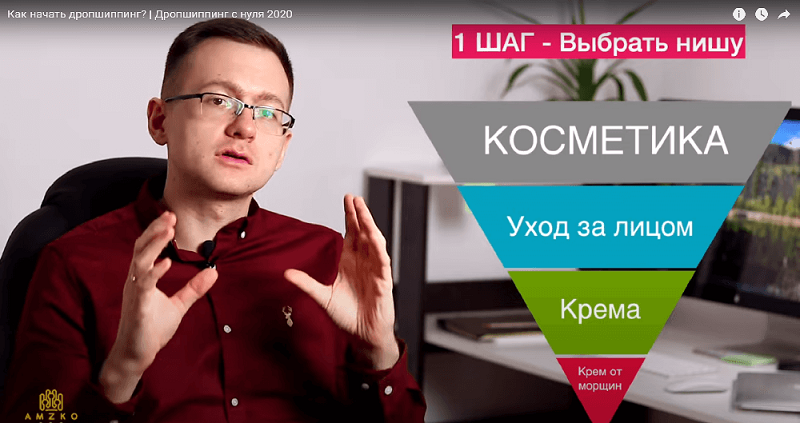
There's plenty of theory on YouTube: almost every blogger considers themselves an expert. Amid the noise there are genuinely useful breakdowns — look for those who show real cases and numbers, not just "success porn."
What can go wrong? There are three typical problems:
- No control over quality and availability. There's always a chance that of 10 string lights ordered, 7 arrive, and a couple of those don't work. And dealing with the customer's complaint becomes your headache.
- Bundling and shipping. If a customer orders several different products, they'll either receive a bunch of separate parcels, or you'll have to receive and repack the order yourself. Postal costs can seriously cut into your profit.
- Customer-base poaching. A supplier who can see your customers may start selling to them directly and cheaper. This happens too — which is why you should diversify suppliers and not depend on a single one.
And yet earning is realistic — especially if you know what to sell. More on that next.
Pick the right product — and you earn?!
What can you make money on in 2026? Which niches are trending, and what should you definitely avoid selling? Let's break it down below.
Let's start with the most common mistake — relying on your own preferences. Say you like wide-brimmed hats. But baseball caps and ordinary knit beanies sell hundreds of times better. Choose to sell what people buy, not what you personally like.
Another rule: the simpler the product, the less of a headache. A customer will order rubber boots without a hundred clarifying questions, while a food processor will have you answering in chat and on the phone. Also avoid products with a high defect rate and flimsy packaging — negative reviews are hard to recover from later.
How do you find out what's actively bought and where? The basic, free tool is Google Trends: it shows demand dynamics and seasonality. For deeper analytics, sellers use specialized product-research services that scan TikTok trends, social-media ads, and competitor stores.
By reading a trend correctly, you can identify a whole group of products with rising demand. For example, pet-product sales grow steadily: owners are willing to spend on food, accessories, and "smart" gadgets for their pets. Selling collars, beds, and food via dropshipping is a realistic way to make some money.
Which niches are considered promising in 2026:
- Eco-friendly goods: reusable silicone bags, bamboo tableware, beeswax wraps — demand for "conscious consumption" is growing.
- Smart home and gadgets: sensors, lamps, mini-projectors, air humidifiers.
- Smartphone accessories: magnetic mounts and cases (including MagSafe-compatible), compact power banks — a niche with constant model refreshes.
- Pet products: toys, beds, grooming accessories.
- Home and wellness goods: ergonomic stands, office supplies, sports and home-wellness equipment.
Seasonal goods (Christmas, Valentine's Day, back-to-school) also sell well, but you need to prepare for the season in advance — at least a month ahead — and have an established supplier network with the product guaranteed to be in stock.
Website, landing page, or social media?
Where is it best for a beginner on a limited budget to sell? Commissioning a full-fledged website on separate hosting is expensive, so it's smarter to start with ready-made solutions.
Marketplaces. In Ukraine these are primarily Prom.ua and Rozetka. A marketplace is a huge trading platform where products from tens of thousands of sellers are listed at once. The main advantage: the process is streamlined and administered by the platform itself, while the store is assembled in a builder format using ready templates. There's a convenient dashboard plus a ratings-and-reviews system — so motivate customers to leave positive feedback, as it builds trust and boosts sales. Many Ukrainian suppliers upload ready-made feeds specifically for dropshipping to Prom and Rozetka, which simplifies stocking your catalog.
A premium store design on a marketplace is one of the few paid options worth investing in for a dropshipper: you sell at higher prices than wholesalers, so your storefront should look respectable and informative. As a bonus, it usually comes with cleaner code and microdata for each product page, which improves your search snippets.
Landing page. If you've focused on one specific product, the best solution is a single-page site. Its core principle is to focus the visitor on a single offer. It's inexpensive and, with the right product choice, delivers excellent profit.
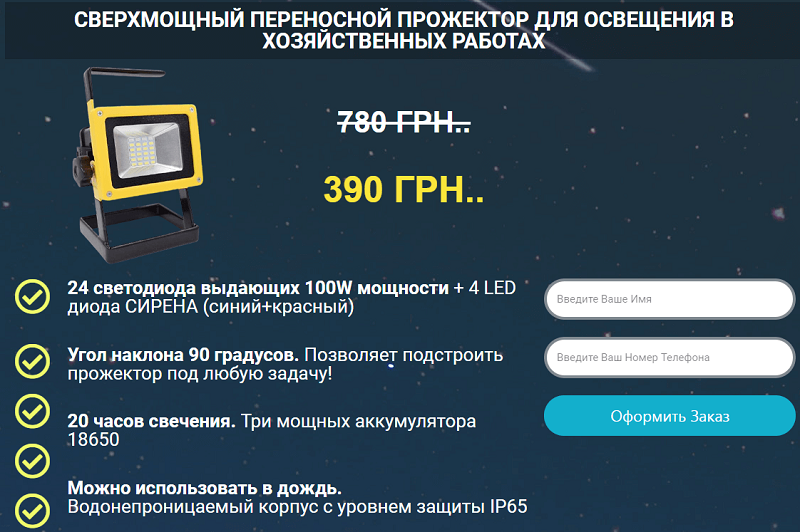
Important: trade honestly. Sometimes low-quality counterfeits are offered under the guise of branded items — we strongly advise against deceiving customers this way; reputation is worth more.
Your own Shopify store. If you're targeting not only the Ukrainian but also a foreign market, a popular option is a store on Shopify with suppliers connected via apps like DSers (for AliExpress), CJdropshipping, Spocket, or Zendrop. This gives full control over your brand and storefront, but requires a bit more technical effort and ad budget.
Social media and messengers. Clothing, cosmetics, and beauty products sell great on Instagram and TikTok. If you don't have an audience yet, building one will take time. It's faster to start in messengers: a Telegram or Viber channel takes a couple of minutes to create.
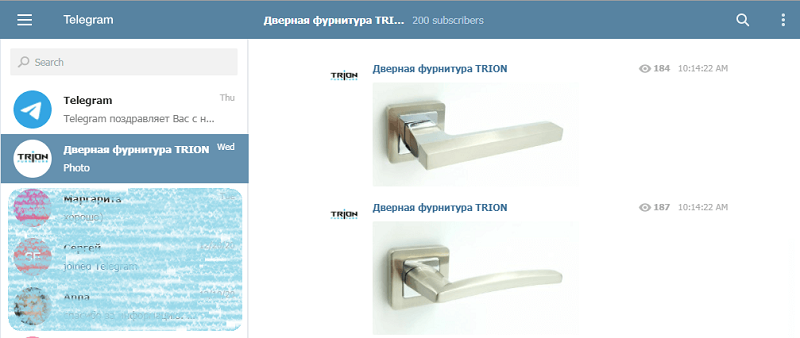
But attracting subscribers also requires investing in advertising. These days there's no getting by online without marketing — so let's move on to promotion.
Promoting smartly
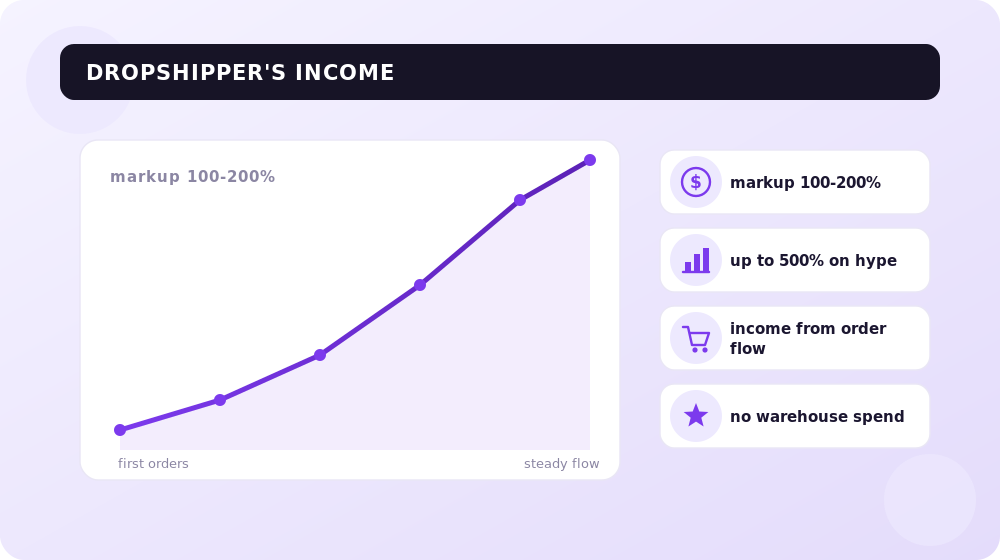
Goal number one is attracting customers. Dropshipping is entirely built around this, with one nuance: a low price isn't your strong suit — your job is to sell for more. And people usually want it either cheaper, more exclusive, or more convenient.
So one effective approach is to describe the product enticingly, emphasizing benefits and emotions. You don't have to lean on dry specs: what hooks people better is how owning the item feels — that "wow effect." Storytelling works well — presenting information through a short story with real-life examples.
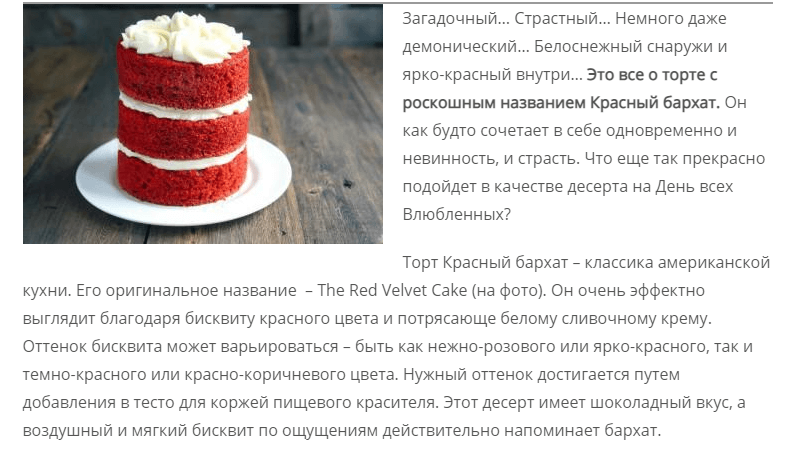
Complement the description with quality photos from different angles, and better yet a short video: in 2026 video sells noticeably stronger. How do you get content without the product in hand? Take a sample from the supplier or use their media with permission.
Text, photos, headings, title and description tags, keywords, structure, links — these are all elements of conditionally free SEO optimization you can do yourself at the start. They work on standalone sites, in marketplace listings, and in social-media content alike.
Advertising, however, you'll have to pay for separately. What to choose — contextual (Google Ads), targeted (Meta, TikTok), or multichannel — depends on the product and audience. You can run campaigns manually too: learn the basics, and you won't have to overpay external contractors. If you do pay, pay for real clicks and visits to your products.
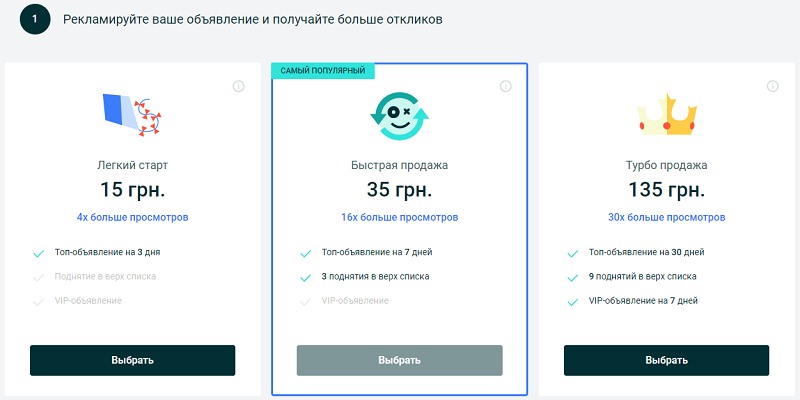
At the start, the cheapest promotion is through classified boards. On OLX there aren't many ad options, but the package deals are well-balanced, affordable, and clear to everyone.
Don't forget social media and fine-tuned targeting: for example, it makes sense to show a dog-food ad to people who list pets among their interests. This approach noticeably improves the return on your ad budget.
A modern hack: plug in AI tools. They help you quickly generate description and ad-video variants, test creatives, and analyze what worked for competitors. This saves hours and lowers the entry barrier for a beginner.
Summary: how much you can realistically earn per month
Is the game worth the candle, and how much can you earn? The honest answer: there's no specific "guaranteed" number, and anyone who quotes one is being disingenuous.
Realistic benchmarks based on current data look like this. The average net margin in dropshipping is 15–20% (closer to 30% for top stores, under 10% for poorly set-up ones). In other words, for every USD 10,000 in revenue a successful seller earns roughly USD 1,500–2,000 in net profit. In the first months a beginner more often earns anywhere from USD 0 to a couple of thousand while testing products and learning to run ads. And only a small share of dropshippers reach steady month-over-month profit — the rest stop at the experimentation stage.
At the same time, high markups in the niche do happen. You take a product for a notional UAH 100, "wrap" it in the right description and emotion — and sell it for 300–500. A markup of 150–300% in certain categories (fragrances or trending gadgets, for example) is reality, not a fairy tale.
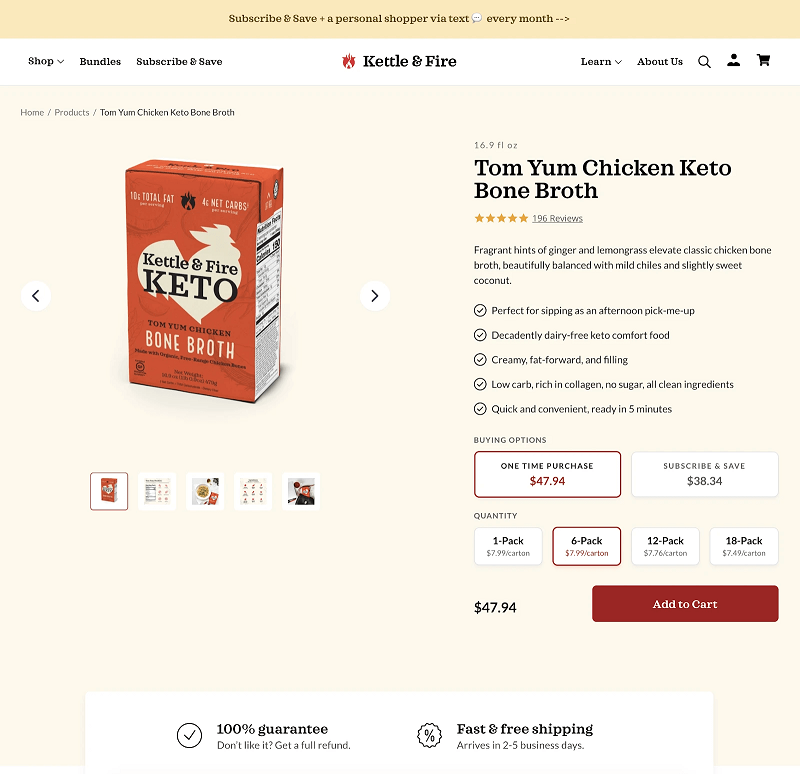
Why is that? Because sellers split into those who use existing demand and those who create the need themselves. A dropshipper is closer to the second type: they present the product "on a silver platter" — with a catchy headline, a good photo, and persuasive text. In essence, this isn't classic "buy-and-sell" but the creation of added value out of marketing and skillful presentation.
Yes, it takes time and promotion costs. But with the right product choice and careful ad work, the margin covers those investments. And given that the global dropshipping market keeps growing, the earning prospects remain.
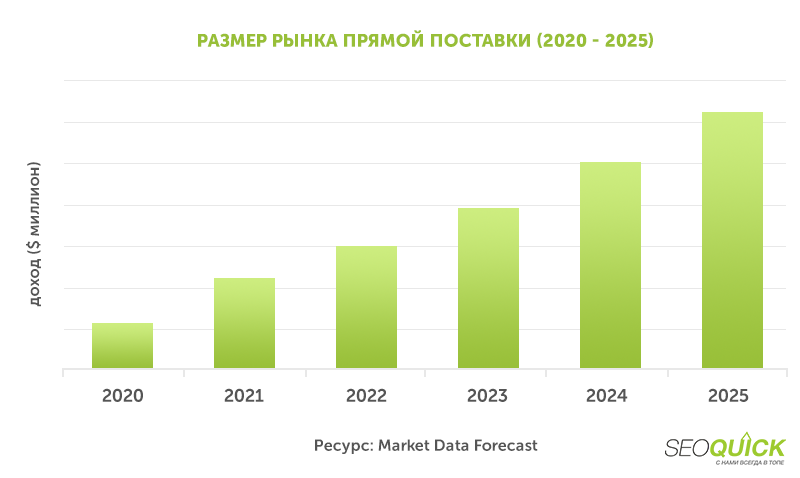
Who is dropshipping for? For those who've mastered the basics of marketing and are ready to put in the time: actively communicating with people, testing products, and learning advertising. And you can do it all from home — all you need is a phone, internet, and the desire.
Ready to give it a try?
Frequently asked questions about dropshipping (FAQ)
How much money do you need to start dropshipping?
You can start on a minimal budget. With the classifieds-arbitrage scheme, you'll need enough for paid listing promotion. With the classic scheme, budget for a website/landing page or marketplace store setup, a supplier deposit (if there's no deferred payment), and advertising. A realistic minimum for testing is a few hundred dollars.
How much can you earn with dropshipping?
The average net margin is 15–20%. In the first months, beginners earn anywhere from USD 0 to a couple of thousand, while experienced sellers with streamlined processes reach four- and five-figure monthly profits. There's no guaranteed fixed number — the result depends on the niche, advertising, and persistence.
Where do you find suppliers for dropshipping in Ukraine?
Local suppliers with ready-made dropshipping feeds can be found on Prom.ua and in specialized catalogs. For foreign products, sellers use AliExpress (via DSers), as well as CJdropshipping, Spocket, and Zendrop. Tip: don't depend on a single supplier, and check reviews before partnering.
Where is it best to sell: a marketplace, a landing page, or social media?
For a fast start in Ukraine, the Prom.ua and Rozetka marketplaces are convenient. A landing page works well for a single trending product. Clothing, cosmetics, and beauty products sell great on Instagram and TikTok. To reach foreign markets, sellers more often use their own Shopify store.
Is dropshipping legal?
Yes, dropshipping is a legal retail model. It's important to operate honestly: don't sell counterfeits as branded goods, handle returns correctly, and comply with platform requirements and tax law.
Can you do dropshipping with no investment at all?
Zero investment is a myth. There will always be minimal advertising costs: without promotion, there are no sales. But the entry barrier really is low: you don't need your own warehouse, upfront inventory purchases, or premises rental.
Online Store Promotion
Learn how to push your online store to the top of search and lift conversions. From keyword research to UX — clear, no-fluff instructions. Start with an audit and turn your site into a sales machine!
Read →
Corporate Website Promotion: A Business Guide for 2026
Learn how to promote a corporate website in 2026 with SEO. Strategies, case studies, and trends. Order an audit!
Read →
Remote Work in 2026: Hybrid, AI Tools, and the Productivity of Distributed Teams
Learn about the current state of the remote-employment market, including data on AI and remote work, the benefits of hybrid work, and where "remote" is most widespread.
Read →Want to apply this to your site?
We will review the current situation, find the first growth levers, and suggest a practical working format.